


How executive coaching works: the seven steps
An executive coaching engagement is a confidential, one-to-one working relationship between a senior leader and a coach, usually six to twelve months long, that moves through seven steps: a chemistry meeting, an assessment, interviews with the people around the leader, a written development plan, regular sessions, a review at the midpoint, and a plan for continuing alone. That is how executive coaching works at Perspectives Work, and our executive coaching services follow those seven steps; this page walks through them in the order a leader meets them.
It is written for two readers. The leader who has been told "talk to a coach" and wants to know what would actually happen. And the person paying for it, often a chief human resources officer or a chief of staff, who wants to know what they are buying and when it ends. Two things are left to their own pages on purpose: what an engagement costs, and exactly what a sponsor is told, which is the confidentiality question.

What is executive coaching?
Executive coaching is a structured, confidential series of conversations in which a coach helps a senior leader see their situation, their people and themselves more clearly, and act on what they see. It is not advice from someone who has done the job before, and it is not therapy; the coach's job is to widen how the leader sees before the leader decides.
That distinction matters because most senior leaders already have advisers. What they rarely have is a person with no stake in the outcome who will ask the question nobody in the building can ask. Our three coaches each ran something before they coached, senior finance roles at Ascom, Nike and Sage in Anna Maria Casas Rudbeck's case, a consulting firm in Japan and a digital business in the United States in Boris Carl's, thirty years as a consultant and a firm that has worked with over 500 companies across Latin America in Ricardo Matamala's, which is why the conversations stay close to the decisions a leader is actually facing rather than drifting into theory. Anna Maria puts the whole idea in one line on her own LinkedIn page: transformational leadership does not begin with more answers, it begins with seeing differently.
Step one: what happens in the chemistry meeting?
The chemistry meeting is the first conversation, and its only purpose is to find out whether this coach and this leader can work together. The leader describes the situation, the coach describes how they work, and both say what success would look like; nothing is decided beyond whether to continue.
We describe it as establishing a strong connection and clear alignment, exploring the leader's goals and making sure the fit is right before anything else begins. What a leader should leave knowing is simple: whether they felt heard, whether they were challenged, and whether they would tell this person the truth. A poor fit costs months, which is why choosing a coach starts with this meeting. The meeting protects the leader more than it protects the coach, and with us it is also where the leader meets the coach who read their note, because we send each enquiry to the coach whose context fits rather than to an assistant.
Step two: why does the engagement start with an assessment?
An assessment adds what a conversation cannot: a structured view of a leader's strengths, the behaviours that appear under pressure, and what motivates them, from an instrument with a documented method. The result is a debrief conversation, not a report in the post, and it belongs to the leader.
We use a trusted assessment to understand a leader's strengths, growth areas and natural tendencies. The instruments our coaches are certified in are Hogan, Lumina Spark, Lumina Emotion, the Emotional and Social Competency Inventory, the Change Style Indicator and the Conflict Dynamics Profile, and the question the engagement has to answer decides which one is used, never the other way round. A leader who wants to know what each instrument measures can read the assessments page before the meeting; a sponsor receives nothing from the instrument itself unless the leader chooses to share it.
Step three: who is interviewed, and what are they asked?
Stakeholder interviews collect how a leader lands with the people who work closest to them: colleagues, direct reports and supervisors. What they say reaches the leader as a picture of how others perceive their impact, which is what a leader cannot see from the inside.
This is the step that changes engagements. It is often the first time a senior leader hears an unfiltered account of their effect on others, because the people around them have every reason to soften it. We frame it as gaining a 360 degree perspective: feedback from those who work closely with the leader, used to pinpoint the focus areas for development and to align them with what the organisation needs. Boris Carl's description of his own style, challenging, solution-focused, and inspiring, is a fair account of what a leader should expect when that picture is put on the table.
Step four: what is in the development plan?
The development plan is a written page of concrete steps, timelines and measurable goals, built together by the leader and the coach. Its job is to keep the engagement focused on the leader's professional goals and the organisation's priorities at the same time.
The plan is what makes an engagement measurable without pretending coaching is a spreadsheet. We call it a personalized development plan with concrete steps, timelines, and measurable goals, a roadmap that keeps the leader focused. The useful test of a plan is whether each goal names a behaviour someone else would notice; a goal nobody could observe is a wish.
Step five: what happens in the sessions, and how often?
Sessions run every two to four weeks, last sixty to ninety minutes, and are where the work of the weeks in between is examined; a session is not a status report. Most engagements last six to twelve months, and we recommend a minimum commitment of six.
Each session covers goal setting and progress review, the current challenges and opportunities, the development of action plans, and accountability check-ins. What happens between sessions is where change happens; the session is where the leader looks at it with someone who has no stake in the answer. We call this the point where the real transformation happens, as insights become steps. Boris describes what he is there to protect in his own words on his LinkedIn page: the sustainable growth of his clients and their businesses.
Step six: what does the midpoint review check?
The process review is a scheduled pause, midway through, to check the plan against what has changed. It looks at what has been achieved, what is in the way, and whether the development plan is still aligned with the leader's goals, and adjusts course where it is not.
A review that can shorten or refocus an engagement is what makes the fixed length honest. We describe it as the point to recognize achievements, troubleshoot any obstacles, and ensure your development plan remains aligned with your goals.
Step seven: what does the path forward contain?
The closing step produces a clear plan for continuing the leader's growth and applying what was learned without the coach. An engagement that creates dependence has failed; this one is designed to end.
We call it sustaining your momentum: a path forward that equips the leader to build on their progress long after the sessions end. In practice that means the habits to keep, the situation most likely to pull the leader back to the old pattern, and who in their own circle can hold them to it.
How is executive coaching different from mentoring, consulting or therapy?
A mentor gives advice from their own path; a coach works from the leader's. A consultant owns the answer; the coach never does. Therapy works with the past and healing; coaching works with the present and performance, and a coach who sees a need for the former refers on.
We define it the same way: coaching, unlike consulting or training, focuses on unlocking your potential through guided self-discovery and actionable strategies. The full comparison is on its own page. The one-line version is that coaching is the only one of the four where the leader keeps every decision.
The seven steps at a glance
| Step | What happens | Who sees the output |
|---|---|---|
| 1. Chemistry meeting | Fit, goals, what success looks like | Leader and coach |
| 2. Assessment | One instrument, chosen for the question; a debrief | Leader; a sponsor only if the leader shares it |
| 3. Stakeholder interviews | Colleagues, direct reports, supervisors; a 360 degree picture | Leader |
| 4. Development plan | Concrete steps, timelines, measurable goals | Leader and coach |
| 5. Sessions | Every two to four weeks, sixty to ninety minutes, six to twelve months | Leader and coach |
| 6. Process review | Midpoint: achievements, obstacles, still the right goals | Leader and coach |
| 7. The path forward | A written plan for continuing alone | Leader |
Three senior coaches.

Senior Partner, North America

Senior Partner, Europe
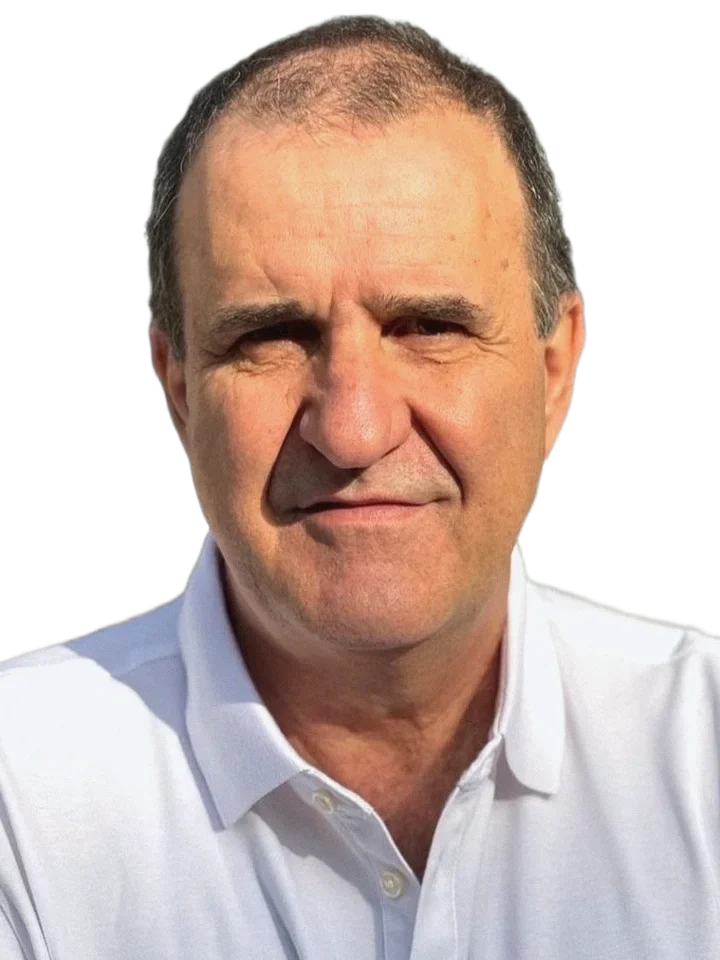
Senior Partner, Latin America
Common questions
How long does executive coaching take?
Most of our engagements last six to twelve months, with sessions every two to four weeks, and we recommend a minimum commitment of six months. The exact length depends on the goals and the progress against them.
Is executive coaching confidential?
All coaching conversations are confidential, protected by a written agreement, and information is shared only with the leader’s explicit written consent. The one exception is a legal obligation to report an immediate risk of harm.
Can a company require an executive to be coached?
A company can pay for coaching, but the engagement only works when the leader chooses it. The chemistry meeting exists to find that out before anyone commits.
Talk to a senior coach.
Thank you.
Your note is on its way. One of the three coaches will reply to you personally.