


How to choose an executive coach: the chemistry meeting
Choosing an executive coach comes down to three checks and one conversation: whether the coach has held a senior role themselves, what credentials and instruments they hold, and whether their process is written down; then a chemistry meeting, a first conversation with no commitment, to find out whether you would tell this person the truth. That is how to choose an executive coach, and the conversation decides more than the checks.
This page is for the leader who has been given a name, or three, and has to pick. It is also for the chief human resources officer building a shortlist. It says what to look at before the meeting, what the meeting is for, and what to listen for in it. Most of the advice on this subject is written by coaches about why to choose them; this one is about how to choose at all.

What should you check before the first conversation?
Check three things: the coach's own operating experience, their credentials and the instruments they are certified in, and whether their engagement process is described in full before you have to give your name. A coach who passes all three is worth a meeting; one who fails the third is asking you to buy before you can read.
On operating experience, the question is whether the coach has sat where you sit. Our three coaches have: Anna Maria Casas Rudbeck held senior leadership roles, including CFO positions, at Ascom, Nike and Sage; Boris Carl was managing director of an international business consulting boutique in Japan and EVP of a digital business in the United States; Ricardo Matamala has over thirty years as a consultant and co-founded OCC Solutions. On credentials, we are guided by the International Coach Federation and lists each coach's instruments against the coach who holds them. On process, our seven steps are printed in full, from the chemistry meeting to the path forward, and explained step by step in how executive coaching works, before anyone fills in a form.
What is a chemistry meeting?
A chemistry meeting is the first conversation between a leader and a coach, held before any engagement is agreed, whose only purpose is to find out whether the two can work together. Nothing is decided in it except whether to continue.
We describe it as establishing a strong connection and clear alignment: the leader's goals, what success would look like, and whether the fit is right for the work ahead. We call it a complimentary consultation on our contact page, and it comes before the assessment and the proposal, not after. A leader who is asked to sign anything before this conversation should notice that.
What should you say in the meeting?
Say what is actually going on: the decision you are facing, the team you have inherited, the role you are stepping into, the thing you have not said out loud to anyone at work. The meeting is only useful if the coach hears the real situation, and it is confidential from the first minute.
Our coaches work with C-suite executives across multiple functions, and the situations that bring a leader to them are specific: a new leadership role where credibility and relationships have to be built early, a presence that has to combine confidence, credibility, and connection, a leadership team that has to work as one. Name yours. A coach who responds with a framework rather than a question is telling you how the engagement will go.
What should you listen for?
Listen for three things: whether you felt heard, whether you were challenged, and whether you would tell this person the truth. If any of the three is missing after an hour, the fit is wrong, however impressive the record.
Boris Carl describes his own style as challenging, solution-focused, and inspiring, and as a trusted sparring partner and sounding board to senior executives. That is the register to expect from a senior coach: someone who pushes back in the first meeting, not someone who agrees with you for an hour. Anna Maria's line on her LinkedIn page says the same thing from the other side: transformational leadership does not begin with more answers, it begins with seeing differently. A first conversation that leaves you seeing something you did not see before is the one to continue.
Does the coach's location matter?
Less than it once did. Our three coaches have remits in North America, Europe and Latin America and offer executive coaching worldwide, working with leaders wherever they are, in English, German, Spanish and Swedish between them.
What matters more than geography is context: a coach who knows the culture a leader is operating in. Our phrase for this is global reach, local expertise, and the three coaches' records are the evidence: one who established executive coaching in Germany among the first, one who was among the first executive coaches in Asia, one who has worked across Latin America for three decades.
How do you choose between three coaches at one practice?
By where you are and the language you want to work in, or by writing without choosing. Our first-step form lets a leader name a coach or say no preference, and the note reaches the coach whose context fits.
The three are set out side by side on our coaches page, in the same order and the same shape, so a leader compares rather than ranks. For a leader in North America, or facing a transition, a team, or a woman's path to the top, Anna Maria; for a board member or C-level leader in Europe, a strategy question, a global team, Boris; for a leader in Latin America, an organisation's culture, strategy or talent, Ricardo. Or none of the above, and let the note find its reader.
What to check, in one table
| Check | Where to look | What a good answer looks like |
|---|---|---|
| Has the coach held a senior role? | Their profile page | Named roles at named organisations |
| What are they certified in? | The assessments page, per coach | Instruments named against the person who holds them |
| Is the process written down? | The coaching page | Every step described before you give your name |
| What is the standard they hold to? | The why-us page | A named professional body |
| Is the first conversation free of commitment? | The contact page | Yes, and it comes before any proposal |
| Would you tell them the truth? | The chemistry meeting | Only you can answer this one |
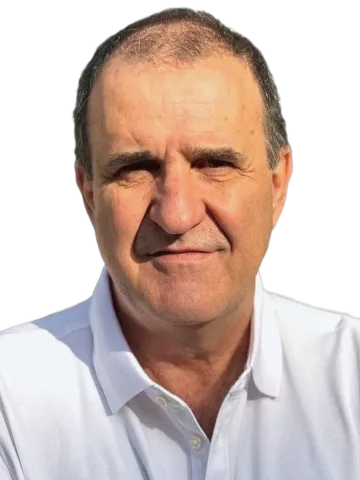
Three senior coaches.

Senior Partner, North America

Senior Partner, Europe
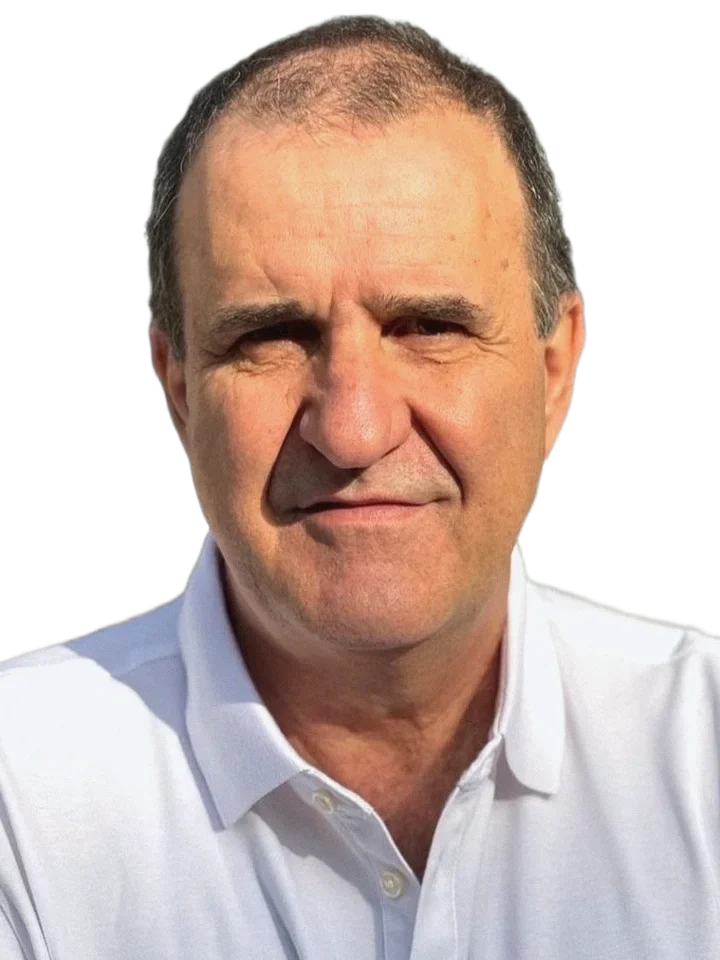
Senior Partner, Latin America
Common questions
How do I find an executive coach?
Start from a referral if you have one, then check three things before meeting anyone: the coach’s own senior experience, their credentials and instruments, and whether their process is described in full. Then ask for a chemistry meeting.
What is a chemistry meeting?
A first conversation with a coach, before any engagement is agreed, to find out whether the two of you can work together. It is confidential and nothing is decided in it except whether to continue.
Should an executive coach be certified?
A credential is one of the three checks, not the only one. We are guided by the International Coach Federation and list each coach’s instruments against the coach who holds them.
Talk to a senior coach.
Thank you.
Your note is on its way. One of the three coaches will reply to you personally.